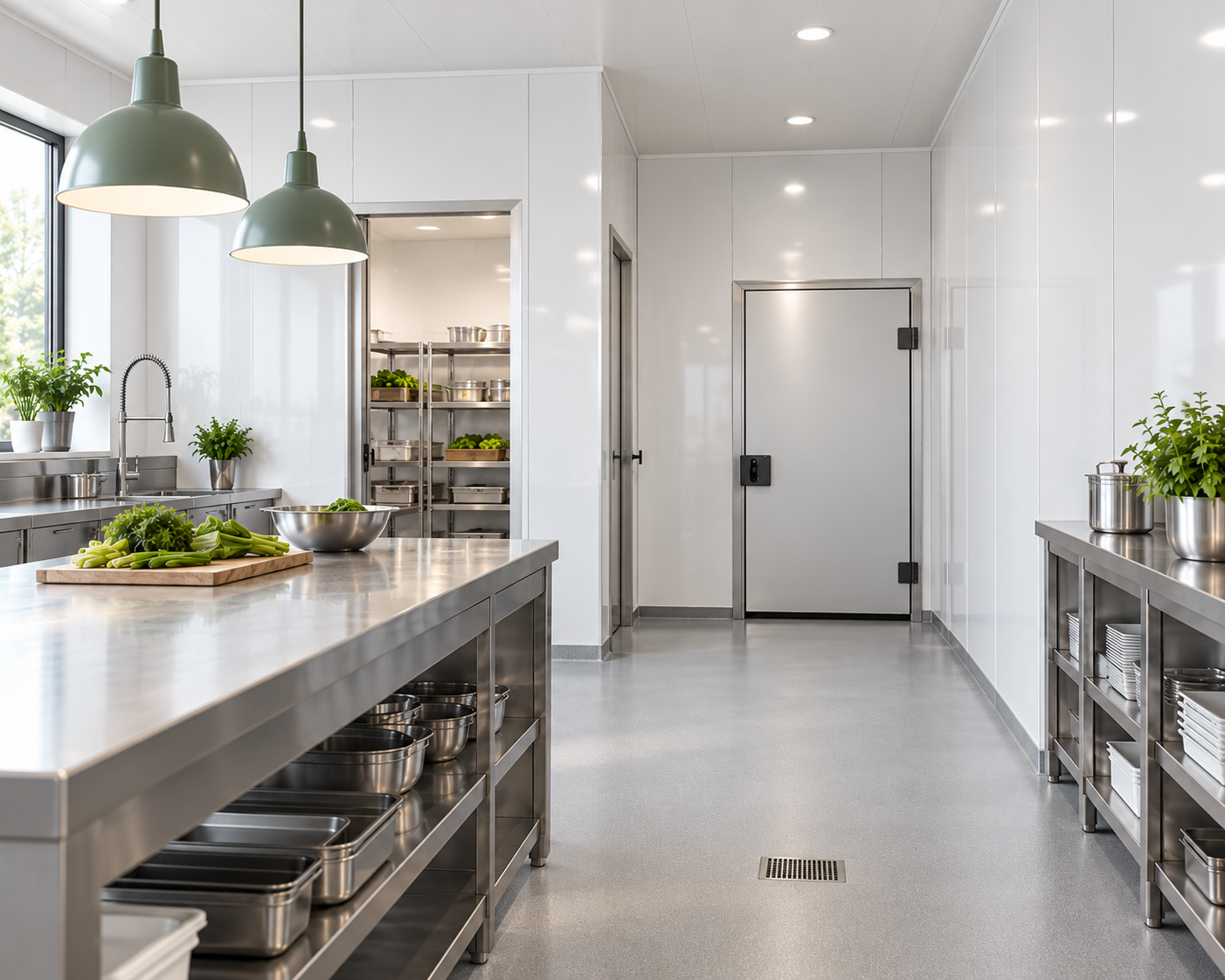
PVC CLADDING EXPLAINED

What Is PVC Wall Cladding?

A practical introduction to PVC wall cladding, including how it works, its advantages and where it can be used.

PVC wall cladding is a popular alternative to conventional wall finishes in environments where cleanable, durable and low-maintenance surfaces are required. Understanding the different products and installation methods will help you select a suitable system.

Explore the Guide
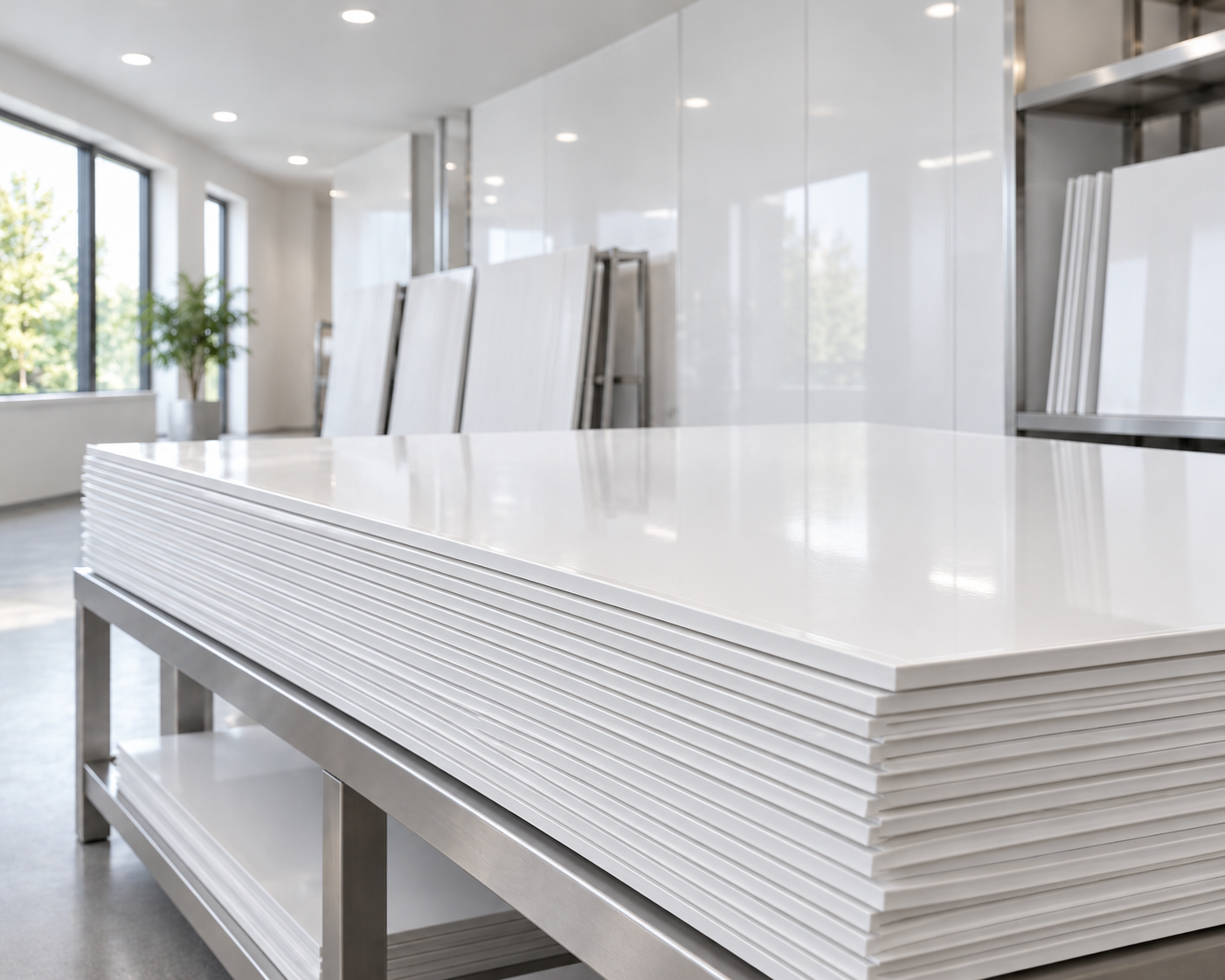
Smooth white PVC wall cladding in a clean commercial interior
MATERIALS GUIDE / PVC WALL CLADDING
THE BASICS

Understanding PVC wall cladding

PVC wall cladding is a wall covering manufactured from polyvinyl chloride, a versatile thermoplastic material used extensively in construction and interior finishing. It is commonly supplied in rigid sheets or panel systems that can be fixed over suitable wall substrates to provide a smooth, cleanable surface.

Unlike traditional painted plaster, PVC cladding provides a finished surface without requiring repeated painting. Many sheet systems are particularly well suited to commercial interiors where walls must withstand frequent cleaning, moisture exposure and everyday wear.

PVC wall cladding is frequently associated with commercial kitchens and food preparation areas, but it is also used in washrooms, healthcare environments, changing rooms, corridors and other commercial or domestic spaces.

Different products are designed for different applications. Sheet thickness, surface finish, impact resistance, jointing details and fire-performance classification can all affect whether a particular cladding system is suitable for an installation.

Important to know

PVC wall cladding is not one universal product. Always check the manufacturer's technical information and the requirements of the intended environment before choosing a system.
WHY USE PVC?

The main benefits of PVC wall cladding.

PVC wall cladding offers several practical advantages, particularly where ongoing cleaning and maintenance are important considerations.

01

Easy to Clean

Smooth, non-porous sheet surfaces can be straightforward to wipe down using compatible cleaning products. Properly installed joints and detailing help make routine cleaning easier.

02

Moisture Resistant

PVC itself does not absorb water in the same way as many traditional wall materials, making suitable cladding systems useful in damp or regularly cleaned environments.

03

Low Maintenance

Once installed, PVC sheets generally do not need painting. Regular cleaning and inspection of joints, seals and damaged areas are still important for maintaining the finish.

04

Versatile Applications

A wide range of sheet formats, colours and thicknesses makes PVC cladding suitable for many commercial and domestic projects, subject to the product specification.

White hygienic wall cladding in a commercial preparation area
COMMON APPLICATIONS

Where is PVC wall cladding used?

One of PVC wall cladding's main advantages is its versatility. Different systems are available for spaces where cleanliness, durability or moisture resistance is a priority.

PRODUCT SELECTION

Understanding sheet types and thicknesses.

PVC wall cladding is available in various thicknesses. Choosing between them depends on the required performance, wall conditions and manufacturer's intended use.

1.5mm

Lightweight Sheets

Thin, lightweight PVC sheets can be useful for appropriate lower-impact wall coverings. Substrate quality, handling and installation requirements should be considered carefully.

3mm+

Thicker Wall Protection

Thicker PVC sheets may be selected for applications where greater robustness is required, although impact performance varies between products and systems.

Thickness is only one factor. Consider surface finish, product formulation, fire classification, jointing method and substrate compatibility.

Read the Sheet Thickness Guide
INSTALLATION BASICS

How is PVC wall cladding installed?

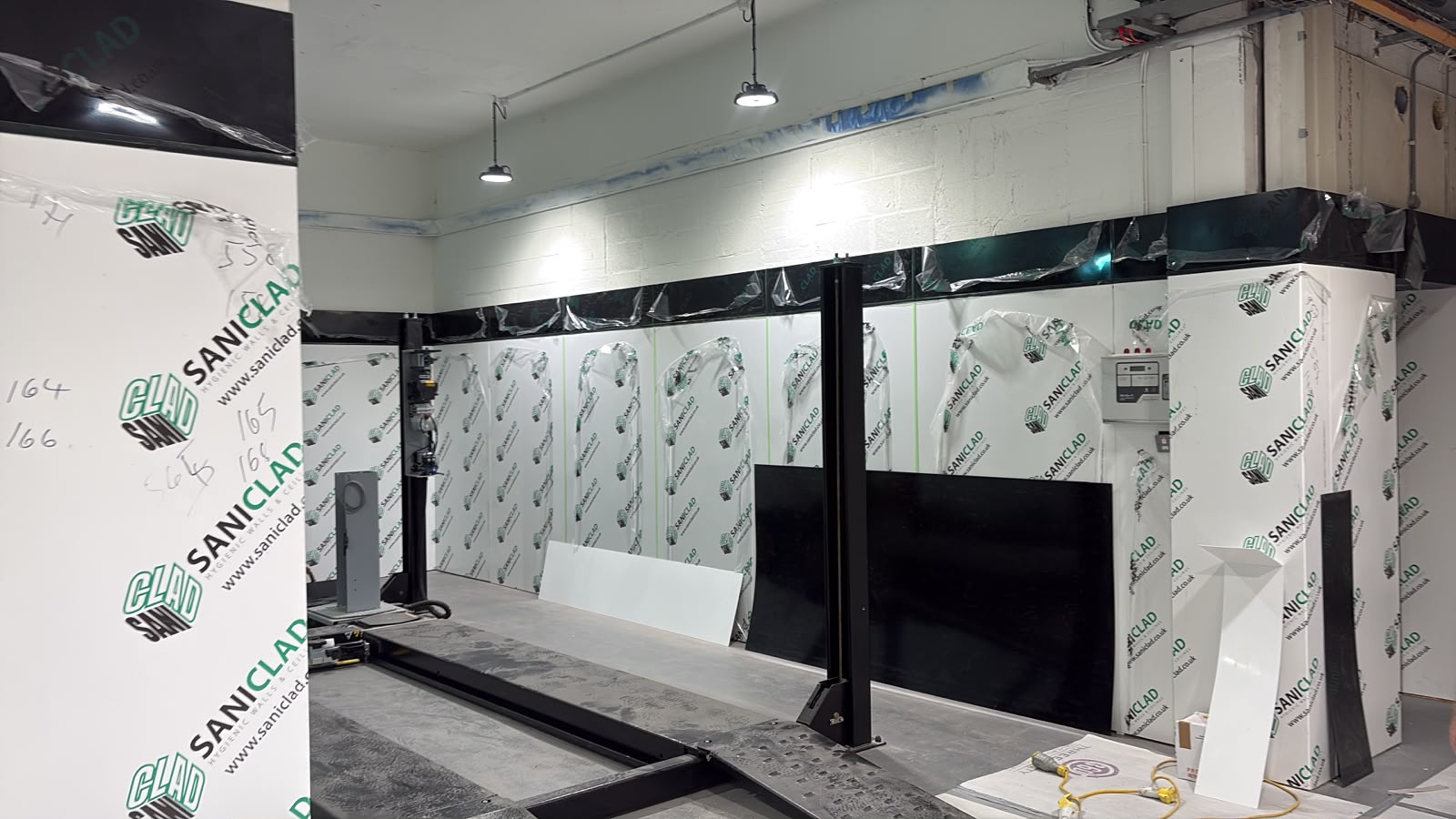
Many rigid PVC sheet systems are installed using compatible adhesives applied to a properly prepared substrate. Other systems may use mechanical fixings or different manufacturer-approved methods.

Correct preparation is essential. Walls should be assessed for stability, moisture, cleanliness and suitability before fixing any cladding system.

Sheets are typically measured, cut and positioned according to the planned layout, with compatible profiles, joints and finishing details used where necessary. Wet areas and hygienic installations require particular attention to sealing and detailing.

01 Prepare the existing wall
02 Measure and plan the layout
03 Apply the specified fixing system
04 Finish joints, edges and corners
View Installation Guide
Wall cladding installation preparation and fitting
BEFORE YOU BUY

Choosing the right PVC wall cladding

Before purchasing cladding, identify the requirements of your project. A product suitable for a lightly used interior may not be appropriate for a demanding commercial environment.

Consider wall dimensions, expected cleaning regimes, exposure to moisture, impact risks, fire-safety requirements and the condition of the substrate. Sheet size and installation accessories will also influence project cost.

For specialist hygienic PVC products, Saniclad offers a range of wall cladding sheets, profiles and installation accessories. Buyers should confirm the specifications of individual products before ordering.

Explore UK Suppliers

Before ordering, check:

  • Intended application
  • Sheet size and thickness
  • Fire-performance requirements
  • Substrate compatibility
  • Cleaning and maintenance guidance
  • Adhesives, profiles and sealants
  • Delivery and installation costs

Editorial disclosure: This website has commercial relationships with featured cladding suppliers. Product information is intended to support your research rather than replace technical assessment.

COMMON QUESTIONS

PVC wall cladding FAQs.

Is PVC wall cladding waterproof?

PVC is water-resistant, but a complete installation's ability to prevent water penetration depends on its joints, seals, substrate and installation details. Always use a system specified for the intended wet environment.

Can PVC wall cladding be fitted over tiles?

Some systems can be installed over existing tiles if the surface is stable, adequately prepared and compatible with the specified adhesive. Follow the manufacturer's instructions and assess the substrate first.

How long does PVC wall cladding last?

Service life depends on product quality, the environment, installation standards and maintenance. Correctly specified and maintained systems can provide durable wall finishes over many years.

Is PVC cladding suitable behind cooking equipment?

Not automatically. Heat exposure and fire-safety requirements must be assessed. Areas close to cookers, grills and other high-temperature equipment may require a different material, such as appropriately specified stainless steel.

Does PVC cladding require special cleaning?

Many smooth PVC surfaces can be maintained using routine cleaning methods, but some chemicals, abrasive products and high temperatures can damage particular finishes. Follow the product's cleaning guidance.

Is thicker PVC wall cladding always better?

No. Greater thickness can be beneficial in some applications, but material formulation, system design, installation and technical performance are equally important when selecting a wall covering.